EMDR therapy and counselling for trauma and PTSD

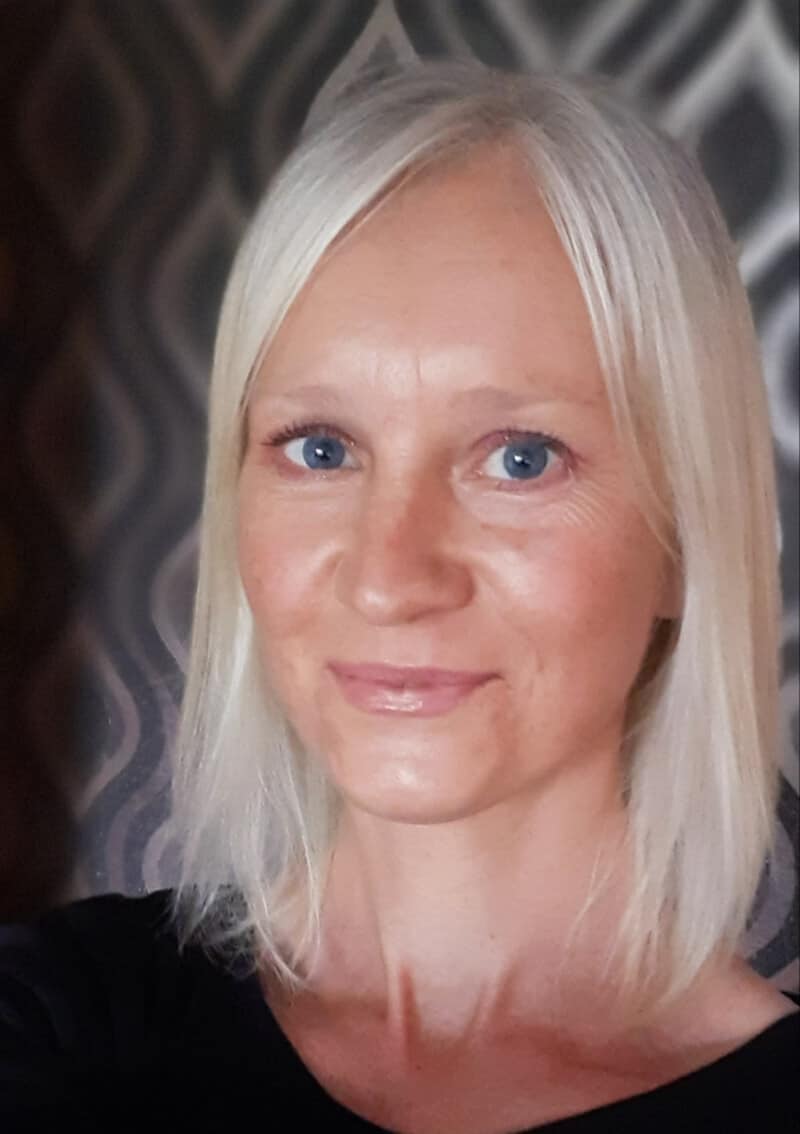
Choosing a counsellor is about more than qualifications, it's about feeling understood. So I'd like to share a little about what inspired me to do this work...
There was a time when I hit rock bottom. After experiencing a significant trauma I developed post-traumatic stress disorder (PTSD) and life became incredibly difficult. I knew I needed support, but finding the right help was a challenge all of its own.
I was advise to self-refer for trauma counselling through the NHS, but I found myself on what felt like a never-ending waiting list. Although I was surrounded by family and friends, no one truly understood what I was going through. I felt isolated, confused and trapped by the effects of trauma.
Desperate to find a way forward, I enrolled on an introduction to counselling course, hoping that if I could learn the right skills, I might be able to counsel myself.
This first step changed the direction of my life. It gave me hope when I needed it most and eventually led me to train as a counsellor, and I became dedicated to helping others get the support they need.


I didn't leave that introductory course knowing how to counsel myself, but I did gain an enhanced self-awareness that changed the way I understood my thoughts, feelings and experiences.
Keen to continue my journey of growth and self-development, I went on to complete 3 years of counsellor training. A compulsory element of this was having my own personal therapy. Looking back, it was exactly what I needed. My counsellor met me with patience, compassion, and genuine acceptance. She listened with curiosity, gently challenged me when I needed it, and helped me make sense of events that had once felt impossible to process.
My own experience has given me a deep understanding of how difficult it can be to get the right support, but personal experience alone is not what makes someone a therapist. It is my professional training, clinical practice and commitment to ongoing development that enable me to support you safely and effectively.
I bring both perspectives to my work: an awareness of how difficult it can feel to be the person seeking help, together with specialist training in trauma and evidence-based therapeutic approaches. This means you can feel understood as a person, while also receiving the professional expertise and clinical skills needed to help you move forward.
During my own healing journey, EMDR became a significant part of my recovery. Experiencing it personally changed my view of what trauma therapy could be. I discovered that healing doesn't necessarily mean repeatedly talking through every detail of what happened. Sometimes the brain needs help processing what remains stuck, so the past can become a memory rather than something the continues to feel present.
That insight is one of the reasons I chose to specialise in EMDR.
I qualified as a Person‑Centred counsellor in 2018 (CPCAB Level 4 Diploma) and became a BACP accredited counsellor in 2022 - BACP registration number 378284.
In 2023 I trained as an EMDR therapist and achieved EMDR Europe Accredited Practitioner status in 2025. I'm listed on the EMDR Association UK register of accredited practitioners - membership number 176619.
Alongside my core training, I have undertaken further study in Internal Family Systems (IFS), Neurodivergent-informed EMDR, Attachment‑informed EMDR, Polyvagal theory and Trauma‑Informed Stabilisation. This means I can draw on a broad range of specialist knowledge to tailor therapy to your individual needs, taking into account how trauma, attachment, the nervous system and neurodivergence can shape the way you experience the world.
In line with BACP guidelines, I engage in regular clinical supervision and complete annual CPD relevant to my areas of practice. I work with adults (18+) and support a wide range of issues. However, I don't treat addiction, substance abuse, or eating disorders as primary concerns, as these require specialist training and a multidisciplinary approach.
Calm the Chaos Counselling is not a crisis service. If you need urgent support call NHS 111, 999 or go to your nearest A&E department.